

Summer sleep gets difficult when your bed turns into a heat pocket, and the fabric feels like it’s holding warmth against you. A better set of sheets can make the surface feel lighter, reduce that damp, sticky sensation, and help your body cool naturally. This guide breaks down what to look for so you can build a setup that stays comfortable from lights-out to morning.
What makes a bed feel hot
A bed feels warmer when air can’t circulate, and moisture has nowhere to go. Your skin releases heat and perspiration as you sleep, and if the sheet doesn’t breathe, humidity lingers and the fabric clings. You’ll often notice the difference most around your back, legs, and shoulders, where contact is constant, and airflow is limited. Room temperature and humidity also matter, because even breathable sheets can feel sticky if the air is already saturated.
Fibers that work well in warm weather
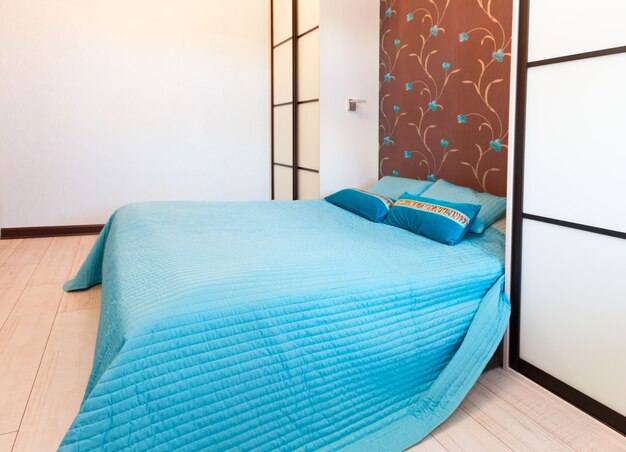
For a cooler feel, start with materials that handle moisture and allow ventilation. Cotton can feel crisp and breathable in a light structure, linen is airy and quick to dry, and plant-based regenerated fibers can feel smooth while still moving moisture away from the skin. Many people also like how a blue bedsheet can visually soften a warm-weather room, especially when the fabric itself feels light rather than dense. If you’re sensitive to texture, testing a single pillowcase first is an easy way to judge softness before buying a full set.
Why the weave changes everything
Weave affects airflow, texture, and how quickly the sheet releases heat. A crisp construction tends to keep space between fibers, which encourages ventilation. A silkier construction can feel luxurious but may drape closer to the body and trap warmth. If you often wake up sweaty, choosing an airy structure usually matters more than chasing a “buttery” finish. You can also notice weave quality by how the fabric wrinkles and rebounds; summer-friendly sheets often look slightly relaxed but feel dry and light.
Thread count myths and better signals
Thread count is easy to market and hard to interpret. A very high number can mean a tighter build that restricts airflow, which may feel warmer in summer. Instead, pay attention to how the sheet feels when you shake it out: a lighter, more breathable hand and a fabric that doesn’t feel overly heavy often perform better on hot nights. Also check for clear fiber labeling and honest sizing, because good construction usually shows up in details like consistent stitching and even edges.
Cooling comfort is mostly moisture management
Sheets don’t stay comfortable just because they feel cool for a minute when you first lie down. The goal is to keep your skin drier over hours of contact by pulling moisture away and letting it evaporate. Using a practical bedroom textiles guide mindset helps: prioritize absorbency, breathability, and a finish that doesn’t feel coated, since heavy finishing can reduce how well a fabric handles sweat. If you perspire heavily, consider having a second set ready so you can swap quickly and keep sleep quality consistent.
Matching sheets to your climate and sleep habits
In humid climates, fast-drying materials and airy builds help prevent the clammy feeling that shows up after midnight. In dry heat, crisp cotton and lighter linen often feel refreshing without becoming too slippery. Many shoppers also use these choices as stylish bedroom ideas because cooler sheets can look crisp and inviting while still prioritizing comfort, and the right texture can make the bed feel more put-together. If you run hot year-round, avoid thick, drapey fabrics and focus on sheets that feel structured and light, because they tend to lift off the skin instead of hugging it. If you share a bed, choosing sheets that regulate moisture well can reduce “heat zones” where bodies overlap.
Small details that improve summer sleep
Fit and construction can affect comfort more than most people expect. A fitted sheet that’s too tight can reduce airflow and feel restrictive, while one that’s too loose can bunch and create warm spots. Look for elastic that holds without pulling hard, smooth seams that don’t rub, and a surface that doesn’t feel overly slick, because cling can make you feel hotter. Deep-pocket sheets can help on taller mattresses, but overly deep pockets sometimes create extra fabric that gathers and feels warmer, so matching pocket depth to your mattress height is worth it.
Keeping sheets fresh and breathable
Detergent residue and heavy softeners can coat fibers, which reduces absorbency and makes fabric feel warmer. Washing with a moderate amount of detergent, rinsing well, and drying thoroughly helps sheets stay airy. Rotating between two sets also gives each one time to fully dry and “reset” between uses, which can keep the bed feeling consistently fresh. If your water is hard, occasional deep rinsing can help prevent mineral buildup that makes fabric feel rougher and less breathable.
Finishing touches for a cooler bed
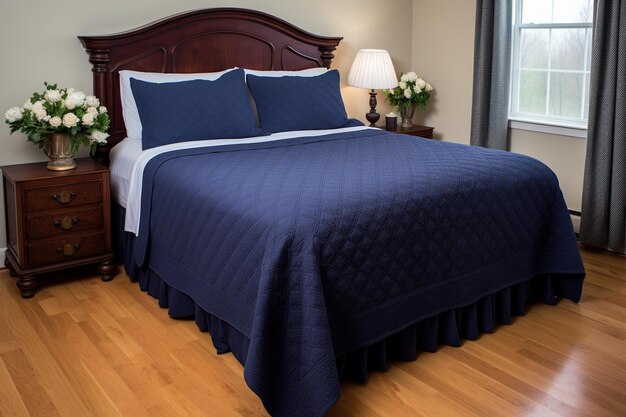
Beyond sheets, the way you layer your bed affects heat retention. Lightweight blankets, minimal layering, and breathable mattress protectors can keep airflow moving. If you like changing your look through the year, try seasonal bedding ideas that use lighter textures and fewer layers during hot months, so the bed feels inviting without building extra warmth. Even swapping to a lighter duvet insert or using a thin quilt can make your sheets feel cooler because less heat is trapped above you.
Conclusion
The best summer bedsheets are the ones that breathe, manage moisture, and stay light against your skin through the entire night. When you choose a fabric and structure that lets heat escape, you’ll fall asleep faster and wake up less from overheating. A cooler bed doesn’t require complicated upgrades, just smart choices that support comfortable sleep when temperatures rise. Keeping your bedding simple, clean, and breathable is often the quickest path to better summer rest.