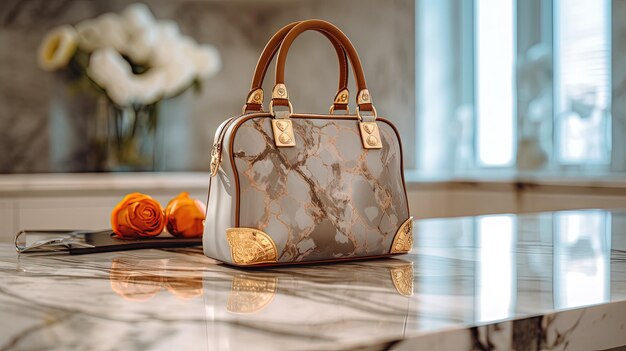
A dependable bag has to do more than look good for a season; it needs to survive commutes, quick errands, travel days, and the occasional surprise downpour without losing its shape or comfort. The secret isn’t only in the design; it’s in the materials, the way they’re finished, and how they’re stitched together. Choosing well means fewer replacements, less frustration, and a carry that keeps getting better with time.
Why durability starts with the fiber
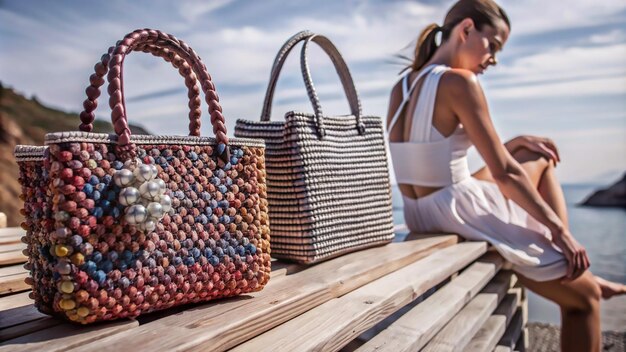
Longevity begins at the microscopic level: fibers determine how a surface resists abrasion, stretching, cracking, and moisture. Natural fibers can age beautifully, while synthetics often excel at consistency and water resistance. For shoppers comparing stylish tote bags to other everyday options, understanding what the material is made of quickly explains why two similar-looking pieces can wear completely differently over a year of use.
Grain matters more than shine
Many bags look impressive under store lights, but the top layer is what faces daily scuffs. Full-grain surfaces retain the strongest structure and develop character with use, while heavily corrected finishes can hide flaws but may show wear sooner. If you’re scanning styles that resemble stylish handbags for daily use, focus less on gloss and more on density, thickness, and the integrity of the outer layer, since that’s what takes repeated contact.
Full-grain leather for graceful aging
Full-grain leather remains a benchmark for long-term performance because it keeps the tightest fiber structure intact. It resists tearing, handles flexing well, and tends to develop a patina rather than peeling. Minor scratches can often be conditioned down, and well-constructed pieces can last for many years with basic care. Look for edges that are cleanly finished and panels that feel substantial without being stiff like cardboard.
Top-grain and specialty tanning for everyday balance
Top-grain leather is slightly sanded for a more uniform look, which can reduce ruggedness compared to full-grain but still provides excellent day-to-day resilience. Chrome-tanned varieties can be softer and more water-tolerant, while vegetable-tanned options may feel firmer and age dramatically. A practical approach is choosing a tanning style that matches your climate and routines, then prioritizing construction details that prevent stretching at stress points.
Coated canvas for lightness and weather protection
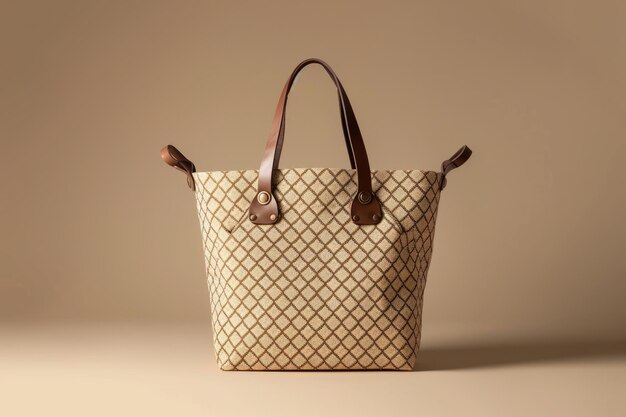
Coated canvas combines a woven base with a protective finish that helps repel moisture and dirt. It’s popular for daily carry because it stays lightweight while resisting stains better than untreated fabric. The best versions use dense weaves and durable coatings that don’t feel sticky or crack with folding. If you want structure, look for reinforced panels and binding along seams so the material doesn’t sag over time.
Ballistic nylon and technical weaves for high-abrasion zones
For people who toss a bag under seats, into lockers, or onto pavement, technical nylons can outperform many traditional materials. Ballistic nylon and similar high-denier weaves resist scuffs, tearing, and fraying, and they typically clean easily. The trade-off is that the surface can look more utilitarian unless paired with refined trims, but it’s an excellent choice for reliability in rough, high-contact environments.
Modern synthetics and plant-based alternatives
Some contemporary materials aim to mimic leather while improving water resistance and reducing upkeep. Quality varies widely: the best alternatives use strong backing layers and stable coatings that resist cracking at folds. Lower-grade versions may peel at corners or along straps after repeated bending. If you’re considering an alternative, check the reverse side and edges. Solid backing and well-sealed seams usually signal better long-term performance.
Hardware, linings, and reinforcements that extend lifespan
Even premium outer materials fail early if the “hidden” components are weak. Zippers should glide smoothly without catching, snaps should feel firm, and strap anchors should be reinforced with extra stitching or rivets. Linings matter, too: tightly woven fabrics resist tearing and make cleaning easier. One of the most useful designer bag tips is to inspect stress points, handle bases, corner seams, and zipper ends because those areas reveal whether a bag is built for years or just for photos.
Care habits that keep materials performing
Durability isn’t only purchased; it’s maintained. Wipe down surfaces regularly, keep bags dry between uses, and avoid long-term storage in direct sun or sealed plastic. Condition leather occasionally to prevent drying, and spot-clean coated fabrics before stains set. Rotate your carry when possible so the same strap and corners aren’t stressed every single day, and store with light stuffing to preserve shape without stretching seams.
Conclusion
The best long-lasting everyday bags are defined by what you can’t always see at first glance: fiber strength, coating quality, seam reinforcement, and hardware that won’t quit. When you match a material to your routine rainy commutes, heavy loads, frequent travel, or minimal carry, you end up with a bag that stays comfortable, reliable, and good-looking long after trends move on. In the end, it helps to treat your purchase like a tool: the right material