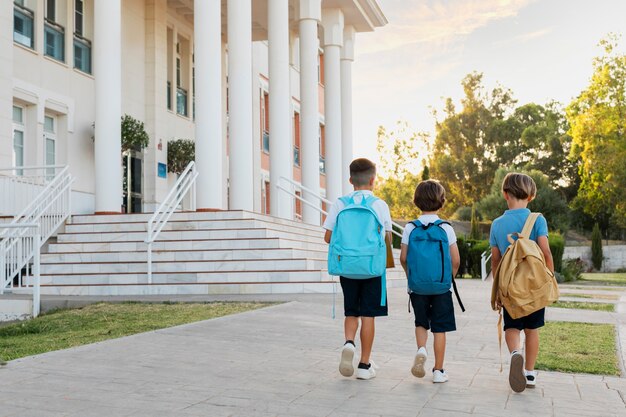

A familiar place can be comforting, but it can also shrink a child’s sense of what is possible. When learning stays inside the same routines, the same faces, and the same expectations, curiosity may still exist, yet it has fewer chances to stretch. Stepping beyond the backyard literally or figuratively can turn ordinary days into discovery, not because the world is louder elsewhere, but because it offers more angles to observe, question, and understand.
When the Horizon Gets Wider
The first shift happens when a child realizes that “normal” looks different in different places. New streets, new accents, new foods, and new customs invite comparison, and comparison naturally invites thinking. Families exploring options like affordable boarding schools in Imphal often do so because they want a child to experience a broader rhythm of life while still being supported by structure, mentorship, and community. In a new setting, children learn to adapt, and adaptation is one of the most underrated learning skills.
Everyday Moments Turn Into Lessons
A wider world doesn’t require museums and grand trips; it can begin with noticing how daily life functions somewhere else. A different way of greeting elders, a different approach to sharing resources, or a different schedule for meals can spark conversations about values and choices. When adults help children label what they notice without judging it as better or worse, children develop the ability to observe carefully. That ability becomes the basis for thoughtful learning in every subject, because it trains the mind to look closely before concluding.

Friendships That Teach Flexibility
Meeting new peers is one of the fastest ways to grow social intelligence. Children discover that humor can land differently, that rules may be interpreted differently, and that patience sometimes matters more than being right. These experiences teach flexible communication: listening first, asking clarifying questions, and adjusting tone to fit a situation. Over time, children become less afraid of misunderstanding because they learn that repairing a conversation is part of building relationships.
Nature as a Living Classroom
The outdoors becomes a different kind of teacher when children explore landscapes beyond what they usually see. New plants, unfamiliar birds, and changing weather patterns encourage questions that can’t be answered by guessing. Children begin to notice cycles of growth, decay, migration, and rainfall, and they start connecting these cycles to the way communities live. A child who learns to pay attention to natural patterns often gains a calmer kind of focus, because nature rewards patience and careful noticing.
Stories That Change the Way We Think
When children encounter different histories and traditions, they begin to understand that knowledge is not just information; it is perspective. A story from another region can challenge assumptions and expand empathy, especially when children learn to ask, “What mattered to the people in this story?” and “What would I have done?” Those questions build moral reasoning without preaching. The more perspectives a child holds, the more nuanced their thinking becomes, and nuance is a powerful form of intelligence.
Trying, Failing, and Trying Again
A new environment brings small failures: getting lost, mispronouncing a word, misunderstanding a rule, or feeling awkward in a new group. These moments can be uncomfortable, but they build resilience when adults frame them as normal steps in learning. Children begin to see that competence is built, not gifted. When they recover from small setbacks, they gain confidence for bigger challenges later, because they have practiced the cycle of effort, feedback, and improvement.

Keeping Curiosity Alive on Ordinary Days
The biggest benefits of “beyond your backyard” learning can fade if a child returns home and slips into autopilot. That’s why it helps to keep a few engaging learning strategies in daily life, such as encouraging children to keep a question journal, turning dinner conversations into “what did you notice today?” discussions, or asking them to teach back something they learned. These habits make curiosity portable, so it doesn’t depend on travel or novelty to exist.
Small Practices That Make Growth Steady
Children don’t need complicated systems to continue growing; they need repeatable practices. A short reflection at the end of the day, a weekly goal that feels achievable, and a habit of asking for feedback can make learning more consistent. Many families appreciate simple learning tips like setting up a small reading corner, keeping art and building materials accessible, or creating a predictable time for focused work. When these supports are in place, children can explore widely while still feeling anchored.
Conclusion
Learning beyond the backyard is not about running away from home; it is about expanding the definition of home to include new ideas, new people, and new ways of seeing. When children experience unfamiliar settings with the right support, they learn to adapt, observe, and connect skills that stay with them long after the scenery changes. The hidden magic is that the world becomes bigger, and the child’s mind grows big enough to match it.